
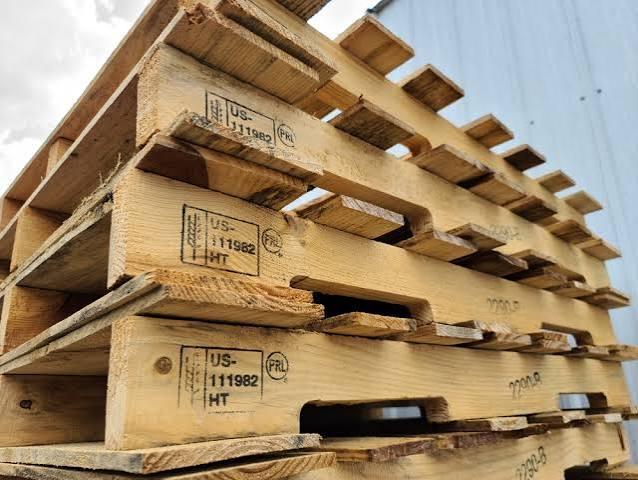
In the intricate world of international logistics, the humble wooden pallet is often the unsung hero. However, when shipping goods across borders, a standard pallet simply won’t suffice. This is where heat treated pallets for sale become an indispensable asset. Whether you are an exporter of food products, automotive parts, or pharmaceuticals, understanding the critical role of heat-treated wood is essential for seamless global trade.
What Makes a Pallet “Heat Treated”?
A heat treated pallet (often marked with the code “HT”) is a wooden platform that has undergone a mandatory phytosanitary process designed to eliminate pests and pathogens. The process is straightforward yet highly regulated: the wood is placed in a specialized kiln and heated until its core reaches a minimum temperature of 56°C (132.8°F) for at least 30 minutes. This natural, chemical-free sterilization method effectively kills insects, larvae, mold, and bacteria that could be hiding within the timber.
The Importance of ISPM 15 Compliance
The primary reason businesses buy heat treated pallets is to comply with ISPM 15 (International Standards for Phytosanitary Measures No. 15). This regulation, developed by the International Plant Protection Convention (IPPC), is the global standard for wood packaging in international trade. Its purpose is to prevent the spread of invasive species that could devastate foreign ecosystems and agriculture.
When you buy heat treated pallets, you are investing in peace of mind. Pallets that are not properly marked with the official IPPC “bug stamp” risk being rejected, quarantined, or even destroyed at customs, leading to costly delays and potential loss of your entire shipment. The ISPM 15 stamp is a passport for your goods, ensuring smooth passage across borders.
Heat Treatment vs. Kiln Drying
It is important to differentiate between heat treatment and kiln drying. While both use heat, their goals are different. Heat treatment is specifically for pest eradication and export compliance. In contrast, kiln drying is designed to reduce the wood’s moisture content to a specific level (often below 19%) to prevent warping, mold, and cracking. While a pallet can be both heat-treated and kiln-dried, a standard HT stamp indicates compliance with ISPM 15 for global shipping, not a guarantee of low moisture content.
Benefits Beyond Compliance
Choosing heat treated pallets for sale offers advantages that extend beyond meeting regulatory demands. The process reduces moisture, which in turn increases the pallet’s resistance to rot, mold, and decay, significantly extending its lifespan compared to untreated timber. This durability, combined with the hygienic, chemical-free treatment, makes them safe for sensitive cargo like food and pharmaceuticals. In an era of increasing environmental awareness, the chemical-free nature of heat treatment also makes it a more sustainable choice than older methods like methyl bromide fumigation. By selecting heat-treated pallets, you are ensuring the safety, efficiency, and sustainability of your entire supply chain.