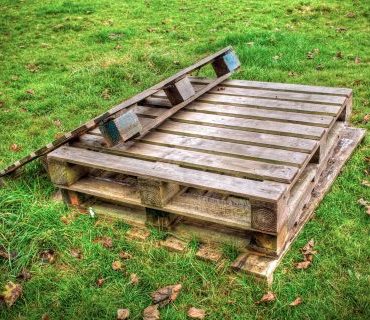
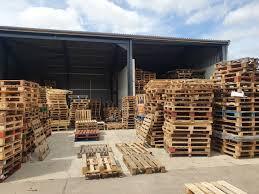
Great example of how everyday business tools can be reused and recycled to reduce waste. These pallets, which are the backbone of global shipping and logistics, often get discarded after a few uses. However, with a little creativity and planning, they can have a much longer and more meaningful life. Let’s explore why recycling and reusing wooden pallets is not just eco-friendly but also practical and cost-effective.
1. Why Wooden Pallets Should Be Recycled
Every year, millions of wooden pallets are used for transporting goods around the world. If not recycled, many of these end up in landfills, contributing to unnecessary waste. Recycling pallets helps in:
- Reducing landfill waste by giving wood a second life.
- Conserving natural resources by minimizing the need for fresh timber.
- Cutting costs for businesses by lowering disposal and replacement expenses.
Instead of throwing them away, companies and individuals can recycle pallets into valuable products.
2. Repairing and Reusing Pallets in Logistics
One of the simplest ways to recycle wooden pallets is through repair and reuse. Broken boards or nails can be replaced, giving pallets a new life in warehouses and shipping operations. Many logistics companies now have pallet return and repair programs, ensuring that pallets are used multiple times before being retired.
This not only saves money but also supports sustainable supply chains by reducing demand for new wood.
3. Creative DIY Uses for Wooden Pallets
Beyond logistics, wooden pallets have become incredibly popular in the world of DIY projects. People are turning old pallets into:
- Furniture – coffee tables, chairs, and even bed frames.
- Home décor – wall panels, bookshelves, and storage racks.
- Gardening projects – raised beds, compost bins, and vertical gardens.
These creative ideas not only prevent waste but also add rustic charm to homes and gardens.
4. Recycling into New Materials
When pallets are too damaged to repair or reuse, they can still be recycled into new products. The wood can be chipped and processed into:
- Particleboard for furniture.
- Mulch for landscaping.
- Biofuel for energy production.
This ensures that no part of the pallet goes to waste, keeping the recycling loop going strong.
5. Environmental and Economic Benefits
Recycling and reusing wooden pallets bring a host of benefits:
- Eco-friendly impact – Less deforestation and carbon footprint.
- Cost savings – Businesses spend less on new pallets.
- Job creation – Recycling centers and pallet repair services provide employment.
In short, it’s a win-win solution for both the planet and the economy.
Conclusion
Recycling and reusing wooden pallets is more than just a trend—it’s a smart and sustainable practice that benefits businesses, individuals, and the environment. From repairing pallets for reuse in logistics to transforming them into stylish furniture or recycling them into new products, the possibilities are endless. By embracing these practices, we reduce waste, conserve resources, and support a greener future for everyone.