
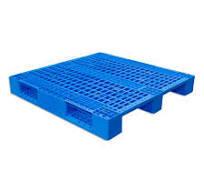
In today’s fast-paced logistics and supply chain environment, businesses are constantly searching for smarter, cleaner, and more durable solutions for material handling. One product that has gained significant popularity across industries is the plastic pallet. Designed to overcome the limitations of traditional wooden pallets, plastic pallets offer long-term value, improved hygiene, and operational efficiency.
What Are Plastic Pallets?
Plastic pallets are platforms made from high-quality polymers such as HDPE or PP, used to store, transport, and stack goods. They are manufactured through injection molding or structural foam processes, resulting in consistent size, strength, and performance. Unlike wooden pallets, plastic pallets are free from nails, splinters, and sharp edges, making them safer for both workers and products.
Key Advantages of Plastic Pallets
One of the biggest benefits of plastic pallets is their durability. They are resistant to moisture, chemicals, insects, and rot, which makes them ideal for long-term and repeated use. Plastic pallets do not absorb water, so they maintain their shape and strength even in humid or cold environments.
Another major advantage is hygiene. Plastic pallets are easy to clean and sanitize, making them highly suitable for industries such as food processing, pharmaceuticals, and healthcare. Their non-porous surface prevents the growth of bacteria and mold, ensuring compliance with strict safety standards.
Lightweight Yet Strong
Plastic pallets are lighter than wooden or metal pallets, which helps reduce transportation costs and fuel consumption. Despite being lightweight, they offer impressive load-bearing capacity and can handle both static and dynamic loads efficiently. This balance of strength and weight improves handling efficiency and reduces workplace injuries.
Eco-Friendly and Sustainable
Many modern plastic pallets are made from recycled materials and are fully recyclable at the end of their life cycle. Their long lifespan means fewer replacements, which reduces waste generation over time. Compared to single-use wooden pallets, plastic pallets support sustainable logistics and environmentally responsible operations.
Consistency and Automation Compatibility
Unlike wooden pallets, plastic pallets are manufactured with precise dimensions and uniform weight. This consistency makes them perfect for automated warehouses, conveyor systems, and racking applications. Businesses using automation benefit from fewer disruptions, reduced product damage, and smoother operations.
Applications Across Industries
Plastic pallets are widely used in industries such as retail, automotive, chemical, food and beverage, pharmaceuticals, and export shipping. They are especially beneficial for international trade because they do not require heat treatment or fumigation, simplifying compliance with global shipping regulations.
Conclusion
Plastic pallets represent a smart investment for businesses looking to enhance efficiency, safety, and sustainability. With their durability, hygiene, lightweight design, and eco-friendly nature, they are a modern alternative to traditional pallet options. As supply chains continue to evolve, plastic pallets are becoming an essential tool for reliable and cost-effective material handling