
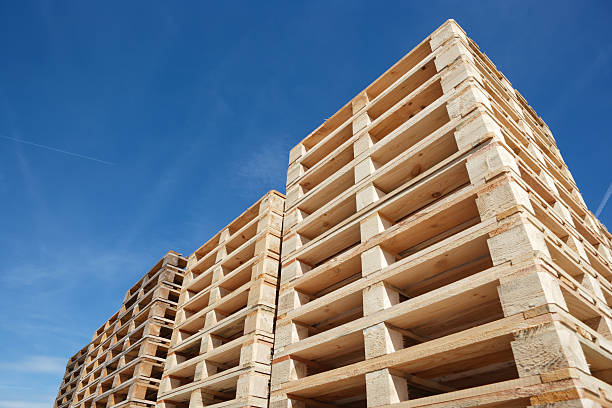
Dubai, UAE, has become one of the world’s most significant hubs for international trade and logistics. With its state-of-the-art infrastructure, free zones, and strategic geographic location, Dubai connects businesses from Asia, Africa, Europe, and the Americas. At the heart of this massive trade network lies a simple yet powerful tool—wooden pallets. Often overlooked, these pallets are essential for ensuring the smooth flow of goods across the globe.
- Essential Role in Global Logistics
Wooden pallets form the foundation of modern supply chains. They are used to load, store, and transport goods of all sizes, making shipping more organized and efficient. In Dubai’s busy ports like Jebel Ali Port and airports like Al Maktoum International, wooden pallets enable:
Faster loading and unloading of goods.
Better protection for fragile and heavy items.
Easy stacking and storage in massive warehouses.
This makes them indispensable for companies involved in re-export and distribution, which Dubai is globally known for.
- Meeting International Shipping Standards
For global trade, compliance is non-negotiable. Wooden pallets used in exports must meet ISPM-15 heat treatment regulations, which prevent the spread of pests and diseases through untreated wood. Dubai’s exporters rely on certified wooden pallets to ensure smooth customs clearance worldwide.
This adherence to standards strengthens Dubai’s image as a reliable trade partner, helping businesses build trust in competitive international markets.
- Cost-Effective and Practical Choice
In a city where cost management is key to staying competitive, wooden pallets provide the perfect balance between durability and affordability. They are significantly cheaper than plastic or metal pallets, yet strong enough to carry heavy loads. Businesses in Dubai also benefit from their reusability and easy repair options, making them a smart long-term investment for logistics and storage operations.
- Supporting Sustainability Goals
Dubai and the wider UAE are committed to sustainable growth, highlighted by initiatives like the UAE Green Agenda 2030. Wooden pallets align with this vision because they are:
Made from renewable natural resources.
Recyclable into new pallets, furniture, or décor.
Biodegradable, reducing environmental impact.
By adopting wooden pallets, companies in Dubai contribute to eco-friendly logistics, supporting the nation’s commitment to a greener economy.
- Strengthening Dubai’s Global Position
Dubai is a strategic gateway connecting East and West, with thousands of containers moving in and out daily. Wooden pallets ensure that these goods are transported efficiently, safely, and in compliance with international standards. Without them, the smooth functioning of global supply chains would be nearly impossible.
In essence, wooden pallets are not just tools; they are silent partners in Dubai’s success as a world-class logistics hub.
Conclusion
The importance of wooden pallets in global trade is undeniable, and in Dubai, UAE, their role is even more critical. They provide efficiency, affordability, sustainability, and compliance—all of which are vital for a city that thrives on international commerce. For businesses aiming to maximize their presence in Dubai’s competitive trade landscape, investing in high-quality, certified wooden pallets is not just an option—it’s a necessity.