
Introduction
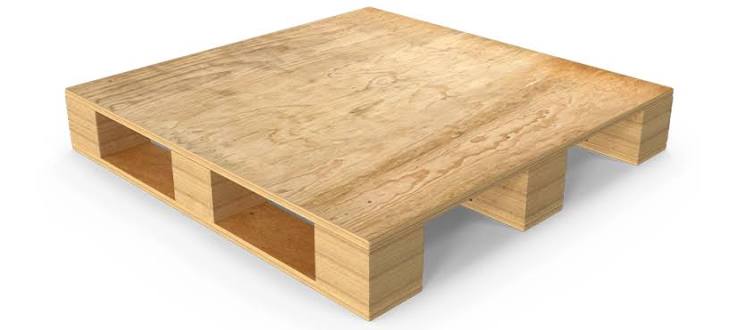
Skid pallets are widely used across UAE warehouses, manufacturing facilities, and distribution centers for storing, moving, and transporting goods. One of the most important questions buyers ask is how much weight a skid pallet can safely hold. The answer depends on the pallet’s material, design, construction, and intended use—there is no single capacity that applies to every pallet. This guide explains what determines load capacity and how to choose the right skid pallet for your operation.
How Much Weight Can a Skid Pallet Hold?
The weight a skid pallet can hold depends on its material, design, dimensions, construction, and intended use. Some heavy-duty pallets are designed to support substantial loads, while lighter pallets may be intended for less demanding applications. Businesses should never assume that all pallets have the same capacity. Always check the manufacturer’s specifications before loading a pallet.
What Factors Affect a Skid Pallet’s Weight Capacity?
1. Pallet Material
Different materials have different characteristics. Wooden skid pallets are strong and widely available, but their capacity depends on wood type and construction quality. Plastic skid pallets offer consistent performance and resistance to moisture, with capacities that vary by design. Metal skid pallets are used for extremely heavy or specialized loads. No single material is automatically superior for every application.
2. Pallet Design
Construction influences load capacity. Factors such as deck boards, stringers, runners, structural supports, and reinforcement all affect how weight is distributed. A well-designed pallet can support more weight than a poorly constructed one of the same size.
3. Pallet Dimensions
Pallet dimensions influence the way goods are supported. Oversized or uneven loads may affect pallet performance, so the pallet should be appropriately sized for the goods being handled.
4. Weight Distribution
Evenly distributed loads are generally easier for a pallet to support than concentrated loads. Placing excessive weight in one area can create stress points and reduce the effective capacity of the pallet.
5. Type of Load
Different goods place different demands on a pallet. Boxes, machinery parts, construction materials, food products, and industrial equipment all have different weight distributions and handling requirements.
Static Load vs Dynamic Load vs Racking Load
Static load refers to the weight a pallet supports while stationary on a flat, level surface. This is typically the highest capacity rating.
Dynamic load refers to the weight a pallet supports while being moved using forklifts or pallet jacks. Movement creates additional stresses, so dynamic load ratings are generally lower than static load ratings.
Racking load refers to the load capacity when a pallet is stored on warehouse racking systems. Not every pallet is suitable for every racking application, so businesses should confirm racking compatibility with the supplier.
How Much Weight Can a Wooden Skid Pallet Hold?
Wooden skid pallets can have very different capacities depending on wood type, construction, dimensions, board thickness, number of supports, and manufacturing quality. A standard wooden pallet typically supports around 2,500 kg static and 1,000 kg dynamic, while heavy-duty wooden pallets are available with significantly higher capacities. Businesses should request the supplier’s specifications instead of relying on general estimates.
How Much Weight Can a Plastic Skid Pallet Hold?
Plastic pallet capacity varies depending on plastic material, pallet design, reinforcement, dimensions, and intended application. Manufacturers may provide different ratings for static, dynamic, and racking loads. Some heavy-duty plastic pallets are designed for demanding industrial applications, while others are intended for lighter use.
How to Choose the Right Skid Pallet for Heavy Loads
Before selecting a skid pallet, consider the required load weight, static load requirements, dynamic load requirements, racking requirements, pallet dimensions, material, product size, weight distribution, forklift compatibility, and storage environment. Buyers should select a pallet based on their actual application rather than choosing only based on price.
Common Mistakes When Loading Skid Pallets
Common mistakes include exceeding the rated capacity, assuming every pallet has the same limit, uneven weight distribution, using damaged pallets, ignoring handling equipment, using the wrong pallet size, and not checking racking compatibility. Damaged or unsuitable pallets should not be relied upon for heavy loads.
How to Check a Pallet’s Weight Capacity
To verify a pallet’s capacity, check the supplier documentation, look for manufacturer specifications, identify the pallet model, confirm static and dynamic ratings, check racking suitability, consider the actual distribution of the load, and consult the supplier when requirements are unclear.
Conclusion
The weight a skid pallet can hold depends on its material, construction, dimensions, design, load distribution, and intended use. There is no universal weight limit. Businesses should always check supplier or manufacturer specifications before placing heavy loads on a skid pallet. For help selecting the correct skid pallet for your warehouse or logistics requirements, consult a reliable pallet supplier in the UAE.

1 Comment
Nejoumtours
Great explanation! A skid pallet’s load capacity depends on its material, design, size, and how the weight is distributed. Choosing the right pallet is essential for safe handling and storage. For businesses looking for reliable travel and tour services, you can also visit https://www.nejoumtours.com/ to learn more.