
Introduction
A pallet that looks usable at first glance might still be unsafe. Damaged boards, loose fasteners, contamination, or weakened components can compromise its ability to support a load. Using an unsafe pallet can lead to product damage, workplace injuries, equipment problems, or even collapsed loads during transport. Inspecting a pallet before use is a simple but essential step. This guide explains what to check—and what to avoid—to help you determine if a wooden pallet is safe to use for storage, transportation, and other practical purposes.
What Should I Check Before Using a Pallet?
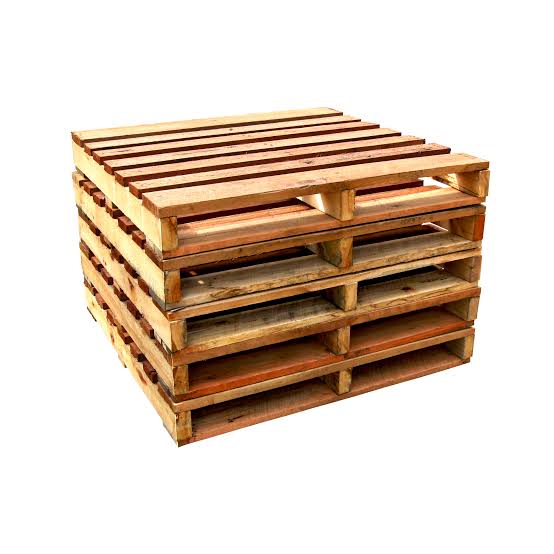
Before using any pallet, especially a used one, perform a visual inspection. Start by checking the top deck boards—look for cracks, splits, or broken sections. Inspect the stringers or blocks for splits, impact damage, or deterioration. Check the bottom boards and the overall stability of the pallet on a flat surface. Examine nails and fasteners to ensure they are secure and not protruding in a way that could damage goods or injure workers. Also check corners and edges for damage that could indicate impact or overloading during previous use.
Signs of a Damaged Pallet
A damaged pallet should be taken out of service immediately. Look for broken boards that compromise the load-bearing surface. Cracked or split wood can fail under pressure, especially in the stringers or deck boards. Missing components such as blocks, runners, or boards reduce structural integrity. Loose boards that move or rattle indicate joint failure. Protruding or damaged fasteners can damage products or pose a safety hazard. Severely warped components create uneven loads and instability. Major impact damage from forklifts or handling equipment often weakens critical structural points. Any unstable or uneven construction means the pallet should not be used.
Look for Contamination
Contamination is a serious concern when reusing pallets. A pallet that has been exposed to oil, chemicals, mold, rot, strong or unusual odors, biological contamination, or food and pharmaceutical substances may not be safe for further use. While surface cleaning may remove visible dirt, it may not eliminate contamination that has penetrated the wood. If you are unsure about a pallet’s history, it’s safer to reject it.
Check the Pallet’s Load Capacity
A pallet’s safe working load is not determined simply by its appearance. Factors include pallet design, wood type and condition, dimensions, load distribution, static versus dynamic loading, rack storage, forklift handling, and stacking configuration. Always follow the manufacturer’s specifications or workplace procedures where available. If load information is not available, use a more conservative estimate based on the pallet’s condition and intended application.
When Should a Pallet Be Rejected?
A pallet should be rejected and removed from service if it has any of the following issues: significant structural cracks, broken or missing boards, loose components, exposed or damaged fasteners, severe rot, serious insect damage, unknown hazardous contamination, instability, or damage that could interfere with forklift handling.
Pallet Safety for Forklifts and Warehouse Racking
Pallet condition is especially important when pallets are lifted by forklifts, moved with pallet jacks, stacked, or stored in pallet racking. A pallet with damaged bottom boards or stringers can fail during lifting or transport, causing a load to fall. Always follow workplace safety procedures and equipment requirements when handling pallets.
Simple Pallet Inspection Checklist
Before using a pallet, ask yourself the following questions:
- Is the pallet structurally intact?
- Are all major boards and components present?
- Are there any cracks, splits, or broken sections?
- Are fasteners secure and free of damage?
- Is the pallet stable and level on a flat surface?
- Is there any rot, mold, or insect damage?
- Is there any contamination that could affect my product?
- Is the pallet suitable for the intended load?
- Is it appropriate for the storage or handling method?
If the answer to any of these questions is “no” or “uncertain,” reject the pallet.
Conclusion
A safe-looking pallet is not automatically safe for every application. Before using any wooden pallet, inspect its physical condition, check for damage or contamination, verify that it is suitable for the intended load and handling method, and consider whether it is appropriate for the storage environment. When in doubt, reject the pallet and choose one that is clearly fit for use. A few minutes of inspection can prevent costly damage and protect workers from avoidable injuries.
1 Comment
shades galaxy
Before using a pallet, it’s important to check for cracked boards, loose nails, and signs of damage to ensure safe handling and storage. Choosing the right materials and maintaining good safety practices can make a big difference. For more information about outdoor shades and customized shade solutions, visit https://www.shadesgalaxy.com/.