
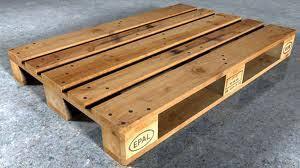
When it comes to logistics, storage, and transportation, pallets play a crucial role in ensuring products move efficiently and safely. However, not all pallets are the same. Two of the most common types businesses use today are Euro Pallets and Standard Wooden Pallets. Choosing between them can significantly impact your supply chain operations, cost, and sustainability. Let’s explore the key differences to help you make the right choice.
- Standardization and Dimensions
The first major difference lies in their size and standardization. Euro Pallets follow the strict specifications set by the European Pallet Association (EPAL). Their standard size is 1200mm x 800mm, making them globally recognized and widely accepted across international markets.
In contrast, Standard Wooden Pallets don’t always follow a specific size guideline. Their dimensions can vary by region or manufacturer, which might cause compatibility issues in automated systems or global shipping. If your business is involved in international trade, Euro Pallets offer better consistency and ease of use.
- Strength and Load Capacity
When it comes to strength, Euro Pallets often outperform regular wooden pallets. They are designed for heavy-duty applications and can handle large loads repeatedly without warping or breaking. These pallets are built with high-quality timber and precision manufacturing standards.
Standard Wooden Pallets can still handle everyday use but may not provide the same level of durability for industries requiring long-term or high-weight transport. So, if your business deals with heavy goods or frequent shipments, Euro Pallets are the smarter and more reliable option.
- Cost and Longevity
At first glance, Standard Wooden Pallets may seem cheaper, but the long-term costs tell a different story. Euro Pallets, though slightly more expensive initially, are more durable and reusable. Their ability to be repaired and recycled reduces replacement costs over time.
In other words, Euro Pallets offer a better return on investment. Businesses that prioritize quality and longevity find them more cost-effective in the long run.
- Global Acceptance and Supply Chain Compatibility
Another major advantage of Euro Pallets is their international recognition. Because they meet EPAL standards, they are accepted across Europe, the Middle East, and most global markets. They work seamlessly with forklifts, pallet jacks, and automated warehouse systems.
Standard Wooden Pallets, on the other hand, may cause logistical challenges during export or when working with foreign partners due to inconsistent sizing.
- Environmental Benefits
Sustainability is another reason why Euro Pallets stand out. They are made from renewable wood and can be repaired or recycled multiple times, making them an eco-friendly choice. For companies aiming to adopt greener supply chain practices, they are the perfect fit.
Conclusion
Both Euro Pallets and Standard Wooden Pallets have their place in business operations, but the right choice depends on your specific needs. If you require international compatibility, durability, and sustainability, Euro Pallets are the superior option.
They may cost slightly more at the beginning, but their strength, reusability, and reliability make them a long-term investment that pays off in efficiency and peace of mind.