
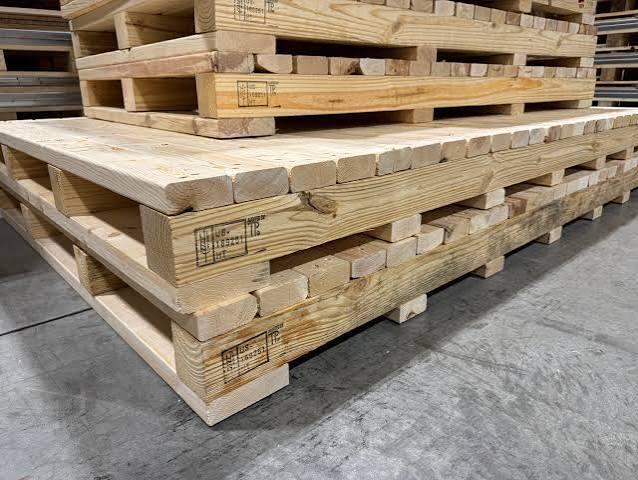
In the world of heavy industry, logistics is not a matter of convenience—it is a matter of survival. The pallets that carry massive engine blocks, thousands of pounds of raw materials, and sensitive automated machinery are far more than simple wooden platforms. They are the unsung backbone of bulk logistics, engineered marvels designed to handle extremes that would shatter ordinary shipping aids. When a pallet fails under a forty-thousand-pound load, the results are not just inconvenient; they are catastrophic, dangerous, and expensive.
The Evolution from Timber to Titanium-Strength Plastics
Traditional wooden pallets, while economical, have long been a weak link in the industrial supply chain. They are prone to splintering, absorbing moisture, rotting, and suffering structural failure under heavy loads . They can harbor bacteria, produce hazardous splinters that contaminate products, and are easily damaged during handling, causing unstable stacks and potential collapses .
The modern industrial pallet has evolved far beyond these limitations. Today’s heavy-duty solutions—such as the advanced plastic pallets from manufacturers like Craemer—are designed to survive hundreds of trips. These pallets are often manufactured in one piece from high-quality polyethylene and are 100% recyclable, offering a sustainable alternative without sacrificing performance .
Unbreakable Engineering
What makes these pallets truly “unbreakable” is their sophisticated internal architecture. For example, the Craemer E3-5 industrial pallet features a heavily ribbed runner construction and integrated reinforcement profiles, including steel profiles that provide high bending stiffness and load-bearing capacity . This design allows the pallet to withstand up to 1,400 kilograms (approximately 3,100 lbs) even in demanding high-bay storage environments .
The manufacturing process itself has seen revolutionary advancements. Some heavy-duty pallets utilize an internal wooden skeleton encased in a plastic skin, capable of bearing static loads up to 40,000 lbs . This technique allows for economical fabrication of specialized shapes while maintaining extreme durability.
Beyond Load Capacity: The Total Performance Package
Today’s heavy-duty pallets are designed for the entire ecosystem of industry:
- Hygiene and Cleanability: Unlike wood, plastic pallets are non-porous, eliminating the risk of contamination by water absorption and bacteria growth . They can be easily sanitized, making them ideal for industries with strict hygiene requirements .
- Temperature Resistance: These pallets withstand extreme fluctuations, from -30°C up to +90°C for short periods . They maintain their integrity in cold storage environments where wood pallets are prone to breakage .
- Tracking and Technology: Modern pallets can be equipped with RFID transponders and barcode labels for efficient tracking and inventory management . Microchips can even be molded directly into the pallet to monitor location and track inventory .
- Load Securement: Features like Palgrip® anti-slip strips, chamfered edges for fork lift handling, and corner lugs for anchoring shrink wrap film ensure loads remain secure throughout transport .
The Economics of Unbreakable
While the initial investment for heavy-duty plastic or steel pallets is higher than traditional wood, the long-term cost savings are substantial. Their extreme durability, resistance to weathering and chemicals, and extended service life—lasting for a hundred trips or more—provide an exceptional return on investment . They reduce replacement costs, minimize product damage from pallet failure, and enhance workplace safety by eliminating protruding nails and splinters.
In heavy industry, the pallet is no longer a disposable piece of packaging. It is a strategic asset, an unbreakable backbone that ensures the safe, efficient, and reliable movement of the world’s heaviest and most valuable goods.