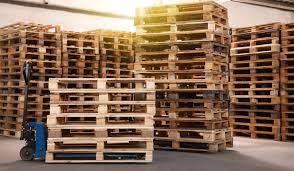
Wooden pallets are widely used for storing and transporting goods in many industries. Their lifespan is an important factor for businesses that want to reduce costs and maintain safety. While wooden pallets are durable, their longevity depends on several key factors such as material quality, usage, and environmental conditions.
Average Lifespan of Wooden Pallets
On average, a wooden pallet lasts between 3 to 7 years under normal working conditions. Pallets used for light loads and indoor storage can last even longer. However, pallets that carry heavy materials or are frequently handled by forklifts may wear out faster. The number of trips a pallet makes plays a major role in determining how long it remains usable.
Type of Wood and Construction Quality
The type of wood used in pallet manufacturing directly affects durability. Hardwood pallets, made from woods like oak or maple, are stronger and more resistant to damage. These pallets usually last longer but are more expensive. Softwood pallets, commonly made from pine, are lighter and cheaper but may crack or break sooner. In addition, well-built pallets with thicker boards and strong nails have a longer lifespan than poorly constructed ones.
Usage and Handling Practices
How a pallet is handled has a big impact on its lifespan. Rough handling, improper forklift entry, and overloading can cause boards to crack and nails to loosen. Pallets that are used carefully, with evenly distributed loads, tend to last much longer. Repeated drops or dragging pallets on rough surfaces can significantly shorten their usable life.
Environmental Conditions and Storage
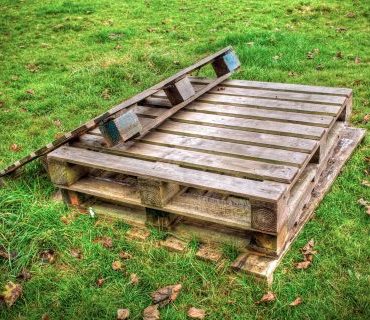
Environmental factors greatly influence wooden pallet durability. Pallets stored outdoors are exposed to moisture, rain, and temperature changes, which can lead to rot, mold, and wood swelling. High humidity can weaken the wood, while extreme heat can make it dry and brittle. Storing pallets indoors in dry, well-ventilated areas helps extend their lifespan.
Maintenance and Repair
Regular inspection and maintenance can add years to a pallet’s life. Checking for broken boards, loose nails, and structural damage allows small issues to be fixed early. Simple repairs such as replacing damaged planks or tightening fasteners can restore pallet strength. Clean and dry pallets are also less likely to attract pests or develop decay.
Recycling and End of Life
When wooden pallets can no longer be repaired, they still offer value. Old pallets can be recycled into wood chips, mulch, or fuel. Some are reused for furniture, crafts, or construction projects. This makes wooden pallets an environmentally responsible option.
Conclusion
The lifespan of wooden pallets depends on wood type, usage frequency, environmental exposure, and maintenance. With proper care and storage, wooden pallets can remain useful for many years, making them a cost-effective and sustainable choice for businesses.