
Introduction
In today’s fast-moving supply chains, businesses are under increasing pressure to operate efficiently while reducing their environmental impact. Recycled pallets offer a practical solution that supports both goals. By reusing and refurbishing wooden pallets, companies can improve logistics performance while contributing to sustainability and responsible resource management.
What Are Recycled Pallets?
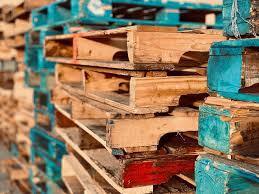
Recycled pallets are previously used wooden pallets that have been collected, inspected, repaired, and prepared for reuse. Any damaged boards are replaced, and the structure is strengthened to ensure safe handling. Instead of discarding old pallets, recycling gives them a second life as reliable tools for transportation and storage.
Environmental Advantages
One of the most important benefits of recycled pallets is their positive effect on the environment. Reusing existing wood reduces the demand for newly harvested timber, helping to protect forests. It also cuts down on landfill waste and lowers carbon emissions linked to pallet manufacturing and disposal. By choosing recycled pallets, businesses actively support eco-friendly logistics practices.
Cost-Effective Logistics Solution
Recycled pallets are generally more affordable than new pallets, making them a cost-efficient option for businesses of all sizes. Companies that use large quantities of pallets can significantly reduce operational expenses. These savings can be reinvested into other areas of the business without sacrificing safety or reliability in logistics operations.
Strength and Reliability
A common misconception is that recycled pallets are weaker than new ones. In reality, each pallet undergoes a quality inspection process where structural issues are corrected. Properly refurbished recycled pallets are strong, durable, and capable of handling heavy loads. They perform well in warehouses, during transport, and in repeated use cycles.
Versatile Applications
Recycled pallets are used across many industries, including manufacturing, retail, agriculture, and distribution. Beyond shipping and storage, they are also popular for creative applications such as furniture, shelving, and outdoor structures. Their practical design and sustainable appeal make them suitable for both commercial and personal use.
Supporting the Circular Economy
Using recycled pallets helps promote a circular economy, where materials are reused rather than discarded after a single use. This system reduces waste, extends the lifespan of resources, and encourages responsible production and consumption. Businesses that adopt recycled pallets demonstrate a commitment to long-term sustainability.
Compliance with Global Shipping Standards
When properly treated, recycled pallets can meet international shipping requirements. Heat-treated recycled pallets comply with export regulations, allowing businesses to engage in global trade while maintaining environmentally responsible practices.
Conclusion
Recycled pallets are a smart step toward sustainable logistics. They offer environmental benefits, cost savings, durability, and flexibility across industries. By integrating recycled pallets into their supply chains, businesses can improve efficiency while contributing to a greener and more sustainable future.