
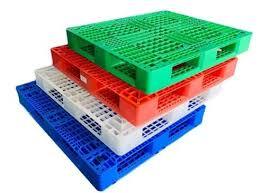
In the fast-moving world of logistics, companies are continuously seeking efficient, safe, and eco-friendly solutions to move goods. Plastic pallets have emerged as a modern alternative to traditional wooden pallets, offering several advantages that align with today’s industrial demands. While wooden pallets have served industries for decades, plastic pallets are now becoming the preferred choice in sectors that prioritize hygiene, durability, and sustainability. Here are the top benefits of plastic pallets over wooden pallets.
- Superior Durability and Strength
Plastic pallets are designed to withstand frequent usage and heavy loads without cracking or splintering. Unlike wood, they are resistant to moisture, rot, pests, and environmental damage. This long-lasting structure ensures consistent performance throughout their life. Companies benefit from fewer repairs and replacements, which helps reduce long-term costs.
- Hygienic and Easy to Clean
Hygiene plays a major role in industries like pharmaceuticals, food, and chemicals. Plastic pallets offer a smooth, non-porous surface that prevents absorption of liquids, bacteria, or chemicals. They can be easily washed or sanitized without losing integrity. In contrast, wooden pallets can harbor fungus, insects, and contamination due to their porous texture.
- Lightweight Yet Efficient
One of the biggest operational advantages is the reduced weight of plastic pallets. They are generally lighter than wooden pallets, making them easier to handle manually and lowering shipping costs. The lighter weight helps improve worker safety and decreases fuel consumption during transportation, contributing to greater operational efficiency.
- Consistent Quality and Standardization
Plastic pallets are manufactured using precise molds, ensuring uniform size, shape, and weight. This level of consistency supports smooth flow through automated warehouse systems. Wooden pallets, on the other hand, can vary in structure because no two pieces of wood are exactly the same. Consistency makes plastic pallets more reliable in high-tech logistics environments.
- Eco-Friendly and Recyclable
Although plastic is often seen as environmentally harmful, plastic pallets are highly recyclable. Damaged pallets can be reprocessed into new products, reducing waste significantly. Their long lifespan also means fewer pallets are discarded. Many companies are shifting toward plastic pallets to support green supply chain practices.
- Enhanced Safety and Handling
Plastic pallets eliminate the risk of protruding nails, sharp edges, or broken boards—common issues with wooden pallets. Workers enjoy better safety, and products are less likely to get damaged. Additionally, anti-slip designs can be incorporated to prevent shifting loads, improving transport stability.
- Ideal for International Shipping
Export regulations often require wooden pallets to undergo heat treatment to prevent pest infestation. Plastic pallets do not require such certification, making global shipping hassle-free. This benefit saves time, processing costs, and ensures compliance with international standards easily.
Conclusion
Plastic pallets have transformed the way industries handle goods. Their durability, hygiene, recyclability, and operational advantages make them a smart upgrade over wooden pallets. While wooden pallets remain useful in many settings, businesses aiming for efficiency and sustainability are increasingly choosing plastic pallets as the superior solution.