
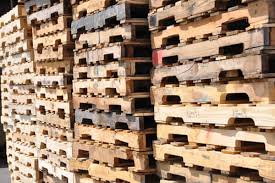
As industries continue to focus on sustainability and cost efficiency, recycled pallets have emerged as a practical and eco-friendly solution. These pallets are made by reusing timber from damaged or old pallets and restoring them to a strong, usable condition. Instead of sending discarded wood to landfills, manufacturers give it a second life—making recycled pallets both an economical and environmentally responsible option for businesses.
Cost-Effective Solution for Businesses
One of the biggest advantages of recycled pallets is their affordable cost. New pallets require fresh timber and additional manufacturing resources, which increases expenses. In contrast, recycled pallets utilize existing materials that only need minor repairs or component replacements. This helps companies cut costs while still relying on pallets that can handle heavy loads efficiently. For high-volume shipping operations, the savings are significant and long-lasting.
Major Contribution to Waste Reduction
Recycled pallets play an important role in reducing waste. Millions of pallets are disposed of every year, and without recycling, they would contribute to landfill overflow. By refurbishing and reusing wooden pallets, their lifespan is extended, helping minimize environmental damage. This supports global sustainability goals and promotes a circular economy where resources are reused instead of wasted.
Reliable Performance and Durability
Even though they have been used before, recycled pallets offer reliable strength. Professional refurbishers carefully inspect each pallet and replace weak boards, nails, or blocks to restore structural stability. Many recycled pallets perform almost as well as new ones, making them suitable for retail, warehousing, and industrial supply chains. Businesses can confidently use them for stacking, storage, and transportation.
Multiple Grades for Different Applications
Recycled pallets come in a range of grades, giving buyers flexibility based on their needs. Premium-grade pallets are ideal for heavy-duty operations and export shipments, while lower-grade pallets are perfect for internal warehouse movements or local transportation. This grading system ensures companies only pay for what they truly need.
Supports Corporate Sustainability Goals
Using recycled pallets demonstrates a company’s commitment to environmental responsibility. Many brands are adopting greener logistics practices to meet customer expectations and environmental standards. Recycled pallets help reduce carbon emissions and allow businesses to show leadership in sustainability.
Easy Availability and Quick Supply
Since recycled pallets are constantly sourced from returned and repaired stock, suppliers usually keep large quantities on hand. This ensures fast delivery and helps businesses avoid operational delays during peak demand.
Export-Ready with Heat Treatment
When processed under ISPM-15 standards, recycled pallets become suitable for international shipping. Heat treatment removes pests and enables smooth customs clearance, making them reliable for global logistics.
Conclusion
Recycled pallets offer the ideal balance of cost savings, durability, and sustainability. They help reduce waste while maintaining strong performance in warehousing and transportation. For companies looking to enhance eco-friendly operations without compromising efficiency, recycled pallets are a smart, responsible choice for the future of logistics.