
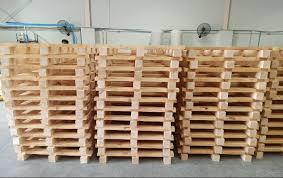
In industries where safety and reliability are crucial, chemical pallets have become an essential part of storing and transporting hazardous or sensitive materials. These pallets are specially designed to handle chemicals, liquid drums, powders, and industrial products that require extra protection during movement and storage.
What Are Chemical Pallets?
Chemical pallets are high-performance pallets made from durable materials such as plastic, metal, or specially treated wood. Unlike regular wooden pallets, they are engineered to resist corrosion, chemical spills, moisture absorption, and physical damage. This makes them ideal for industries like pharmaceuticals, petrochemicals, agriculture, and manufacturing.
Exceptional Durability and Strength
One of the biggest advantages of chemical pallets is their long-lasting durability. They do not absorb liquids or react with chemicals, meaning they won’t weaken, rot, or break down. Their strong construction provides stability for heavy loads such as chemical drums or hazardous containers. This helps prevent leakage, spills, and accidents during handling or transport.
Hygiene and Easy Maintenance
Chemical pallets have smooth, non-porous surfaces that are easy to clean and disinfect. They do not trap dirt, bacteria, or chemicals, making them perfect for industries where cleanliness is mandatory. Pharmaceutical companies, laboratories, and food-processing units prefer chemical pallets because they help maintain a safe, contamination-free environment.
Meets Safety and Compliance Standards
Transporting hazardous materials requires strict adherence to safety regulations. Chemical pallets are designed to meet industry standards such as UN compliance for dangerous goods. Their robust construction reduces the risk of environmental damage, health hazards, and product contamination. Using certified chemical pallets also ensures smooth customs inspections and regulatory approvals.
Environmentally Friendly Option
Many chemical pallets, especially high-quality plastic ones, are made from recyclable materials and can be fully recycled after their long working life. Their strength and durability reduce the need for frequent replacements, which helps minimize waste. This makes them a sustainable choice for companies focused on environmental responsibility.
Versatility for Different Applications
Chemical pallets are available in a variety of designs, load capacities, and features. Options include anti-slip surfaces, reinforced bases, spill-containment pallets, and ventilated structures. This versatility allows businesses to choose pallet types that perfectly match their storage and transportation needs, improving efficiency and safety in the supply chain.
Conclusion
Chemical pallets play a vital role in industries that handle hazardous, sensitive, or valuable materials. Their durability, chemical resistance, hygiene advantages, and compliance with safety standards make them far superior to regular pallets. For businesses seeking safe transportation, reliable storage, and long-term cost savings, chemical pallets are an essential investment that supports both operational excellence and environmental sustainability.